







Search Results for: barista DIY
What equipment and coffee beans are needed to make coffee at home? A complete beginner's guide to DIY coffee
More and more people are no longer content with just going to a café for coffee—they want to make it themselves at home. But faced with a dizzying array of equipment and coffee beans, beginners often don't know where to start. This article systematically lays out a complete approach to home coffee DIY: from choosing a grinder and brewing equipment, to judging the freshness and quality of coffee beans, to building up your brewing methods and coffee knowledge, helping you find the approach that suits you step by step and easily become a home barista. [more…]

A Starbucks barista's self-created blueberry powder color-changing drink goes viral—stunning looks, but mocked as looking like glass cleaner.
Recently, a batch of stunningly beautiful Starbucks "dreamy new drinks" has emerged on social platforms. In fact, they are all creative beverages mixed by employees themselves using ingredients like blueberry powder. From sky blue to dreamy purple, from healing spirulina blue to the failed "glass water," this wave of color-mixing craze has turned the bar into a palette. Although these secret drink methods are not official products and customers theoretically cannot order them, it does not dampen the creative enthusiasm of coffee lovers at all. This article will take you through the origin, ways to play, and failed attempts of this blueberry powder DIY trend. [more…]
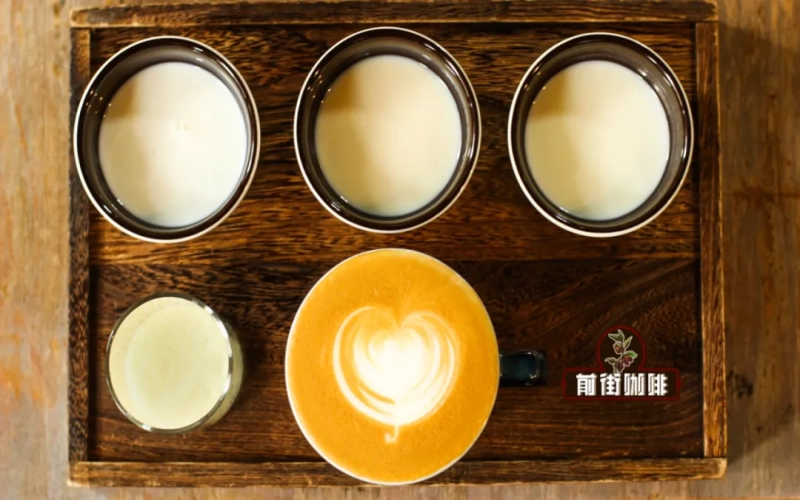
A Complete Analysis of Milk Blending in the Coffee World: Blending Approaches and DIY Methods for Purified Milk and Plant-Based Milk
In coffee drinks, milk is far more than a supporting player; through clever blending, it can make the flavor of milk coffee achieve an effect where 1+1 is greater than 2. Whether adjusting concentration or enhancing sweetness, blended milk gives baristas more flexible creative space. This article, from the perspective of Front Street, systematically sorts out the common milk blending methods in the coffee world, including the freeze-concentration principle of purified milk, the practice of mixing it with fresh milk in proportion to balance concentration, and the basic concept of plant-based milk blending. The article not only explains the purpose of blending, but also provides actionable DIY ideas to help coffee lovers recreate a professional-grade milk coffee experience at home. [more…]
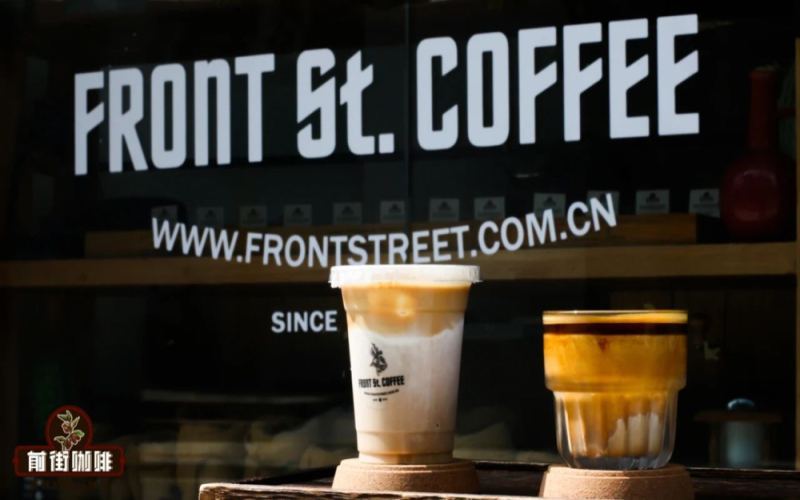
Summer Iced Latte DIY Tutorial: Front Street Dark Cocoa Espresso Blend Flavor Analysis
As midsummer arrives, iced drinks become the top choice for beating the heat, and a homemade iced latte is all the more capable of awakening the taste buds. This article takes Front Street Dark Cocoa espresso blend beans—recommended by many baristas—as an example to break down in detail the five steps of making an iced latte at home, and to thoroughly analyze the flavor characteristics of this coffee bean blend, which combines Yunnan and Brazil beans in a 3:7 ratio. Because of natural conditions such as high altitude and large temperature differences, the Yunnan growing region has a flavor similar to Colombia: moderate acidity, full body, and fruity notes, while the Brazil Cerrado beans are sweet-bitter and smooth. Together they bring soft fruity acidity, caramel sweetness, and nutty dark chocolate notes. This bean offers great value for money and is suitable for beginners and small coffee shops. Follow the tutorial to easily make a cup of iced coffee with a full sense of accomplishment. [more…]

What do baristas do behind the counter when there are no customers? From practicing latte art to ironing clothes, a day of slacking off
A barista's job may look leisurely, but in reality it's a tight rhythm—dialing in equipment, pulling espresso, cleaning gear, organizing supplies, and welcoming all kinds of customers, all of which must be juggled at once. However, customers don't walk in every moment, nor does the machine always need cleaning or calibration. During idle periods, besides the usual routines like practicing latte art, sorting defective beans, testing new beans, and flipping through coffee books, what other ways do they have to pass the time? The answers are all over the map: some scroll through their phones to check on fellow baristas, some make themselves madeleine-style shortbread for comfort, some arrange their pucks in neat rows, and some fold towels with obsessive-compulsive-level satisfaction. The artistic types hand-draw posters and DIY cups and paper bags, while the casual types play with stones, take naps, or even iron wrinkled clothes with a milk pitcher filled with hot water. Of course, some baristas are so busy behind the bar they're practically flying. This article takes you on a peek into baristas' amusing idle moments, and along the way, a taste of the great beans recommended by Front Street Coffee. [more…]
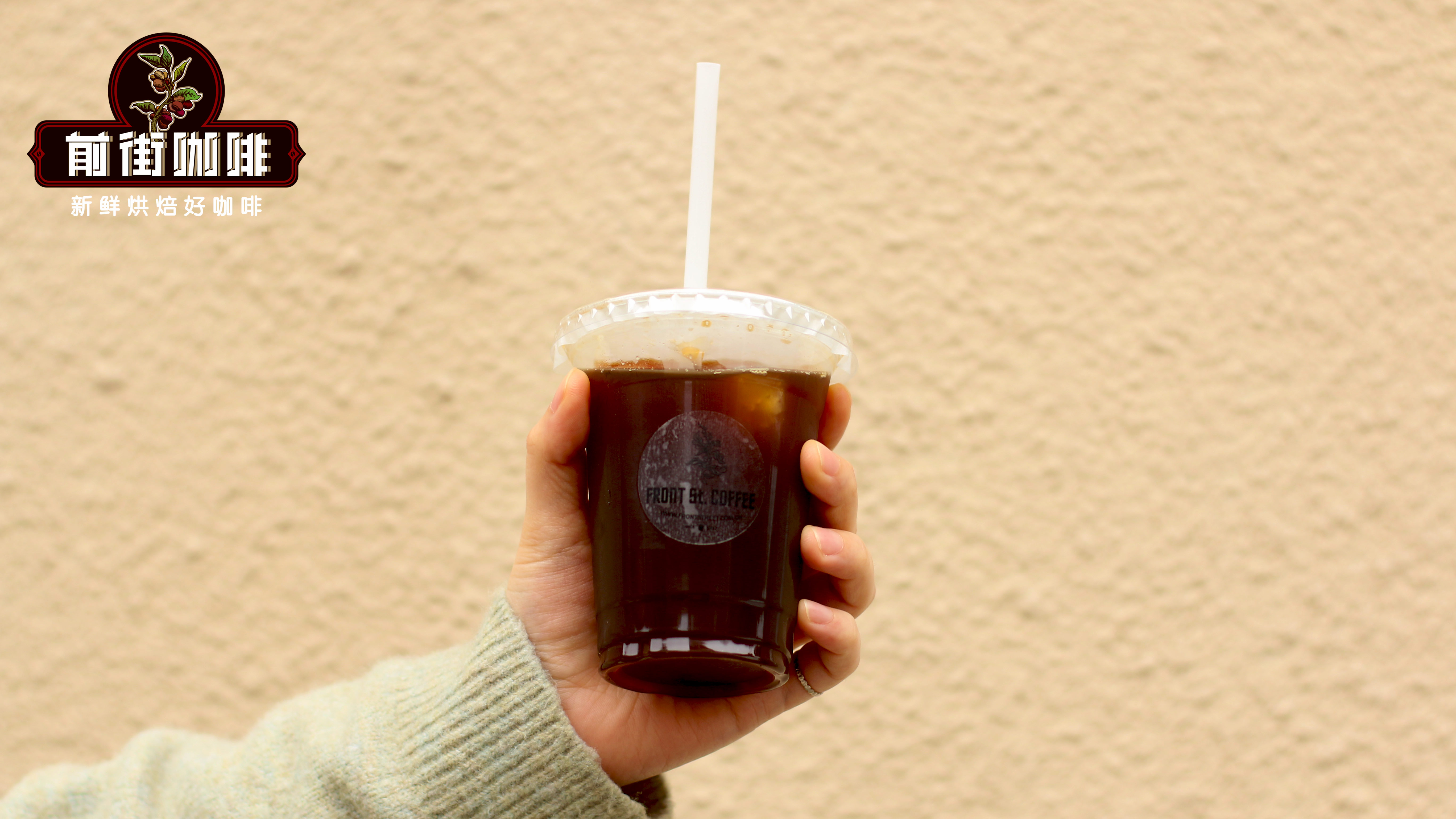
The Complete Guide to Iced Americano: Definition, DIY Method, and Differences from Black Coffee
Iced Americano is one of the most popular coffee drinks in summer. It is made by using espresso as a base and diluting it with iced water, resulting in a refreshing taste and very low calories. Many people wonder whether iced Americano and black coffee are actually the same thing, but in fact there are clear differences between the two in terms of preparation method and flavor. This article will guide you through the origins of Americano, explain in detail the steps for making iced Americano at home, and recommend Front Street Coffee's Strawberry Candy Espresso Blend, so you can easily make a professional-quality iced Americano. In addition, we will also discuss the actual benefits of Americano in boosting metabolism and aiding digestion and cutting through greasiness, helping you gain a more comprehensive understanding of this classic drink. [more…]
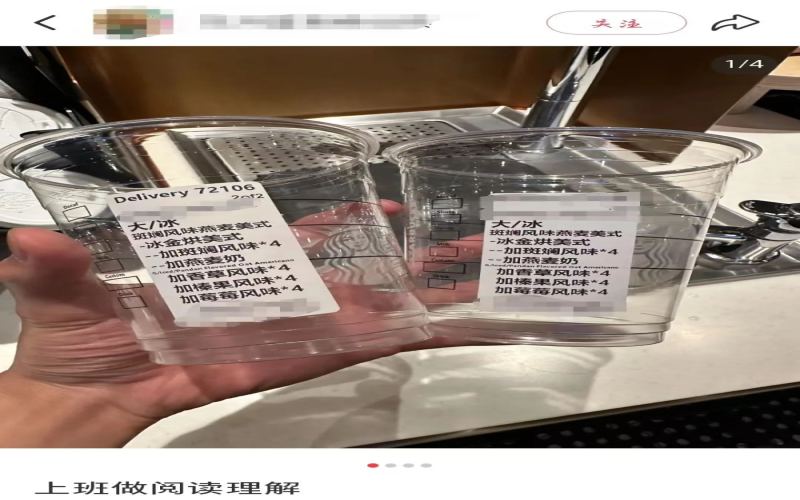
After Starbucks' syrup reform, customized orders surged, and employees, upon seeing the labels, exclaimed that it felt like doing reading comprehension exercises.
Starbucks has recently implemented a major syrup reform, splitting flavors and syrups into two independent ingredients. This adjustment gives customers who love DIY greater freedom to customize, allowing them to freely increase or decrease flavor concentrates according to personal preference without worrying about excessive sugar. However, when these experimental customized orders reach the stores, employees find themselves struggling with the densely packed label text. Some people collect all the official flavor syrups, while others repeatedly modify the milk base and cream ratios. The label font gets smaller and smaller, and baristas joke that they have to do reading comprehension on the job. What kind of store anecdotes has this battle over taste customization brought about? [more…]
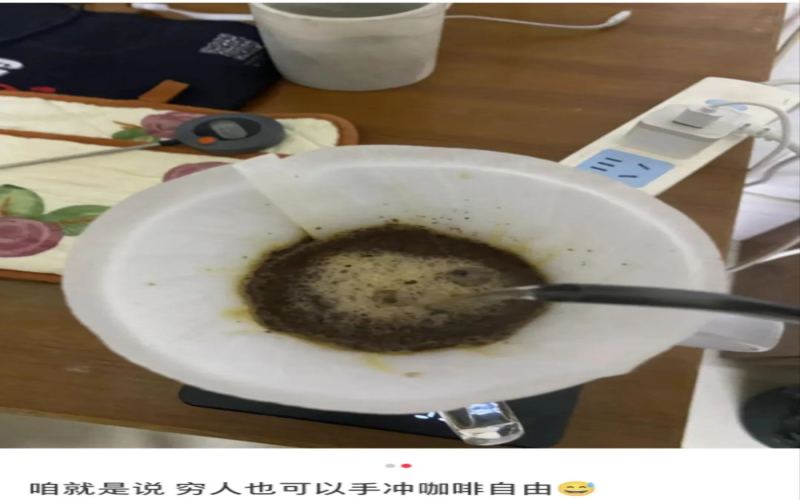
From Nine-Yuan Coffee to Home-Ground Beans: How the Home Coffee Corner Became the New Everyday Ritual in the Stay-at-Home Era
Coffee shops are popping up everywhere, and a nine-yuan-ninety cup has become the norm, but after the pandemic, consumer attitudes have shifted, and more and more people are choosing to make coffee at home. This isn't just about saving money—it's an active choice about one's lifestyle: picking your favorite beans, brewing whenever you like, enjoying the fun and sense of accomplishment of DIY, with no queuing for a table and no restrictions from business hours. From moka pots to semi-automatic espresso machines, from cone-shaped drippers to all kinds of accessories, a corner of the home gradually fills up with coffee gear and becomes a one-of-a-kind "home coffee corner." It is both a practical space and a carrier of ritual and happiness. This article takes you through how this corner has gone mainstream, and why it keeps people endlessly hooked. [more…]
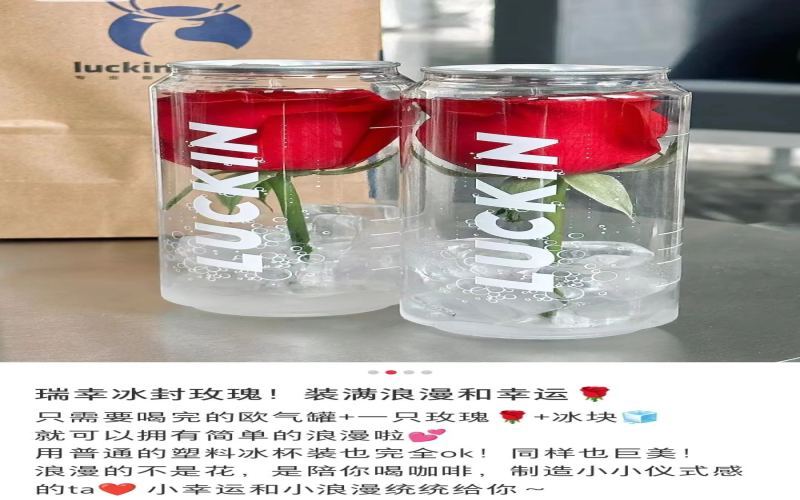
Luckin's "Frozen Rose" Gimmick Sparks Controversy: Employees Worry Customers Will Misunderstand That Stores Can Make It
Luckin Coffee recently posted a romantic tutorial on social media, teaching everyone how to make a "Frozen Rose" using a Luckin can or an ordinary ice cup, sealing a rose and ice cubes inside the cup to create an eye-catching decoration for the office desk. This玩法 quickly triggered netizens to imitate and like it, but it also worried baristas in stores—because this玩法 is not an official product, and if customers come to the store asking for it to be made, it may cause misunderstandings and negative reviews. The popularity of flower cups can be traced back to netizens' creativity, and was later boosted by brands such as Mixue Bingcheng and Haidilao to become a traffic code. Front Street Coffee noted that although similar marketing can bring heat, it needs to balance the execution pressure on frontline employees. [more…]
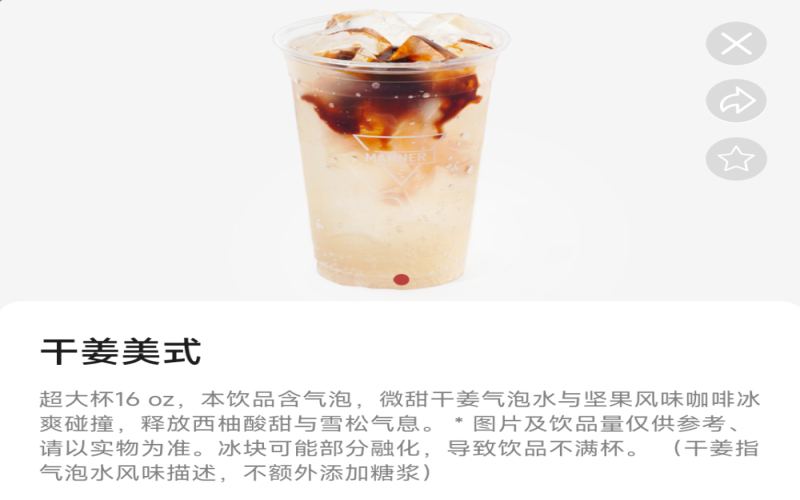
Manner's ginger ale Americano changing its soda ingredient sparks discussion, with longtime customers taking matters into their own hands to recreate the flavor
Manner's Ginger Americano quickly became a hit after its debut in the summer of 2023, winning over a large fan base with the double punch of ginger flavor and carbonation, and successfully earning a permanent spot on the menu. Recently, however, many customers have noticed that the flavor of this signature drink has changed dramatically, with the ginger taste becoming noticeably sharper and more pungent. It turns out that the dry ginger soda in the recipe was switched from Schweppes to Watsons, shifting the taste from lightly sweet and mildly spicy to intense and bracing. Fans launched a poll on social media, and the Schweppes version won with 80% support. Due to differing inventory across stores, some cities have already made the switch, with other regions to follow. Faced with their "white moonlight" changing flavor, longtime customers have begun sharing how to recreate it themselves using espresso plus Schweppes soda, and have even discovered that with the bring-your-own-cup discount, making it at home costs less. [more…]
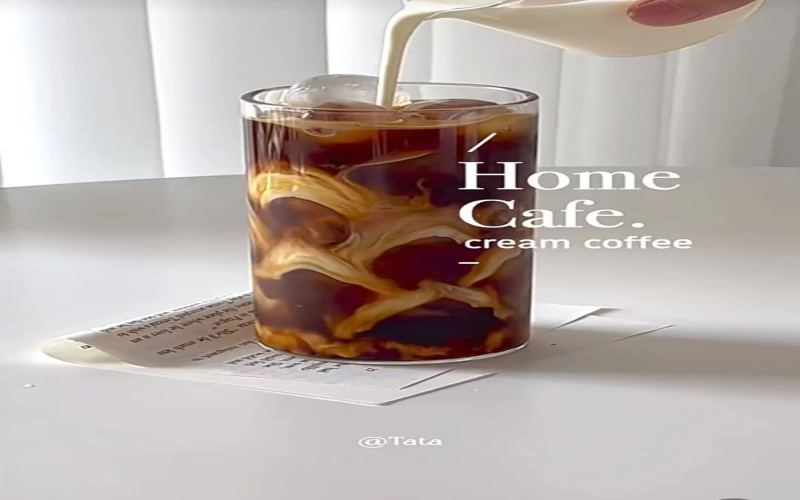
Can you easily make trendy coffee at home? Analysis of Xiaohongshu viral homemade coffee preparation ideas and trends
In recent years, the popularity of homemade coffee on social platforms has continued to climb. From Xiaohongshu to Douyin, related topics have reached view counts in the hundreds of thousands. From the earliest simple recreations of coconut lattes, to richly layered fruit-infused specialty drinks, and then to wildly imaginative creative twists, netizens keep reinventing the way coffee is enjoyed. Why has homemade coffee gone viral so quickly? And what impact has it had on coffee shops? This article will sort through the evolution of popular homemade coffee on Xiaohongshu, analyze the shifts in consumer habits and cost advantages behind it, and explore the relationship between homemade coffee and the professional path of coffee shops. At the same time, the article also retains relevant information about brands such as Front Street Coffee for coffee enthusiasts to reference and discuss. [more…]
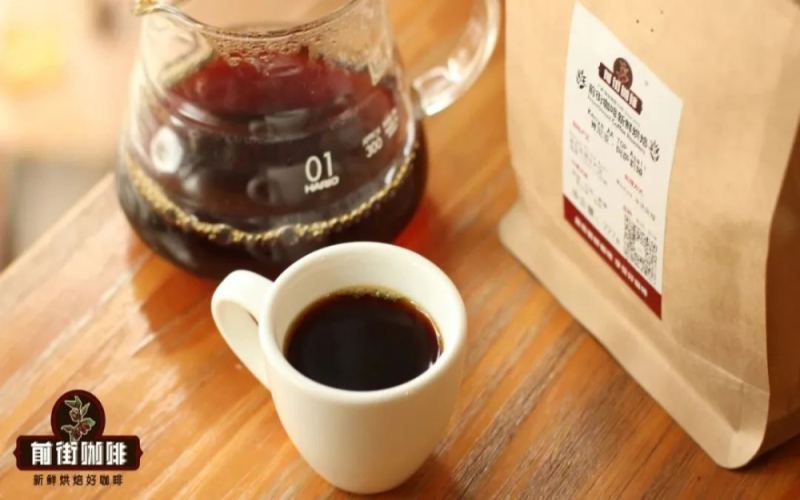
Can Tomato Juice Mixed with Coffee Be Drunk? The Truth About the Recipe and Taste of Cherry Tomato Iced Americano, Tested
Tomato scrambled eggs are common, but have you ever tried tomato coffee? After a certain brand launched tomato Americano, Front Street decided to verify it hands-on. We start with the logic of selecting cherry tomatoes, compare the performance differences between large tomatoes and cherry tomatoes in specialty drinks, and analyze why commercially available tomato beverages are not suitable for mixing directly with coffee. Then we document two fresh-juicing attempts—the first failed because the pulp was too thick, and the second, after adding water, blending, and filtering, yielded a clear juice. The final product was made with 90g ice cubes, 120g tomato juice, and 38g Warm Sun coffee liquid. On the palate, sourness and bitterness clash, with a noticeable astringency from the fruit skin. This whole hands-on test tells you: is this specialty drink really worth recreating? [more…]

Luckin baristas collectively complain: behind the Xiaohongshu ordering guides are ice counts, no-sugar-no-milk requests, and bizarre notes
Recently, Luckin's iced drinks have been under continuous scrutiny due to issues of too much ice and shrinking portions after removing ice. Many consumers have started sharing "high cost-performance ordering strategies" on platforms like Xiaohongshu, from specifying the amount of ice to requesting less milk and less sugar, no sugar and no milk, and even asking for cilantro in their lattes. These seemingly meticulous notes have left café baristas complaining bitterly: counting ice cubes slows down service, removing flavored syrups ruins the taste, and requests to remove ice from frappuccinos are even more absurd. This article compiles genuine complaints from frontline baristas and also reminds consumers that seemingly troublesome requests aimed at brands often end up pressuring frontline workers. [more…]

Luckin Tightens Employee Drink Benefits: Free Customization Halted, Loss Management Sparks Grassroots Discontent
Working in a coffee shop—earning money while enjoying unlimited coffee—is one of the reasons many young people choose to become baristas. Luckin Coffee also once attracted numerous enthusiasts to join with its relaxed employee drink benefits: once they met the required working hours, they could enjoy drinks and even freely mix their own concoctions. Recently, however, this benefit has been gradually tightened: employees who do not make drinks according to the recipe receive surveillance warnings, and stores prohibit free mixing in order to control waste, leaving frontline staff grumbling. At the same time, a series of price increases and cost-cutting measures Luckin has implemented since last year's financial report was released have also sparked controversy among both consumers and employees. This article will sort out the ins and outs of the changes to Luckin's employee drink benefits, as well as the backlash against the cost-cutting and efficiency-boosting strategy behind them. [more…]

Can Blended Coffee Beans Be Used for Cold Brew? A Detailed Guide to Cold Brew Ratios and Practical Experience
In the heat of summer, a refreshing glass of cold brew is the go-to choice for many coffee lovers looking to beat the heat. But have you ever considered that coffee beans blended from two or more varieties can also produce an outstanding cold brew? Cold brew, due to its low-temperature, long-duration extraction, has a richer, smoother mouthfeel, yet its floral and fruity notes gradually fade with storage time. This article draws on the hands-on experience of Front Street Coffee, first outlining the characteristics of cold brew and the advantages of blended beans, then recreating several blending experiments one by one: from Sidra with Geisha, Pacamara with Red Cherry, to Huakui paired with Strawberry Candy and Wangshan Geisha, and finally challenging the dark-roasted Queen's Estate blended with Flower God. Some of these recipes are full-bodied and layered, while others flop into a "mask of pain," yet they perfectly showcase the fun and possibilities of blended cold brew. [more…]

Starbucks earns an additional 7.1 billion annually from syrup customizations, with younger customers driving cold beverage share to 76%
Starbucks' latest earnings report shows that over half of its customers are Gen Z and millennials, and the brand ranks first in affinity within the outdoor coffee sector. Young consumers are keen on personalization and social media sharing, driving cold beverages to account for 76% of total sales at company-operated stores. High-margin syrups and sauce add-ons bring Starbucks about $1 billion (7.174 billion RMB) in additional revenue each year, and daily foot traffic has recovered to 95% of pre-pandemic levels. Front Street Coffee continues to follow coffee industry developments, breaking down for you the business logic and consumer trends behind the customization wave. [more…]

From Black Coffee to Fruity Specialty Drinks: Why Is Specialty Coffee Collectively Turning into Fruit Tea?
The threshold for appreciating specialty coffee has always been high—from palate training to the investment of time and money, none can be skipped. Yet in recent years, the rise of specialty beverages, especially fruit coffee, is quietly changing this landscape. Adding fruit, sugar, alcohol, and Chinese ingredients—the boundaries of coffee have been broken time and again. Is this the degradation of specialty coffee, or an inevitable path to the mass market? This article analyzes the deep logic behind the combination of coffee and fruit from the perspectives of consumer data, industry trends, and barista competitions, and explores what professional foundation a good creative coffee should possess. Whether you are a purist who sticks to tradition or a creative beverage enthusiast who embraces innovation, this discussion about the boundaries of coffee is worth reading. [more…]
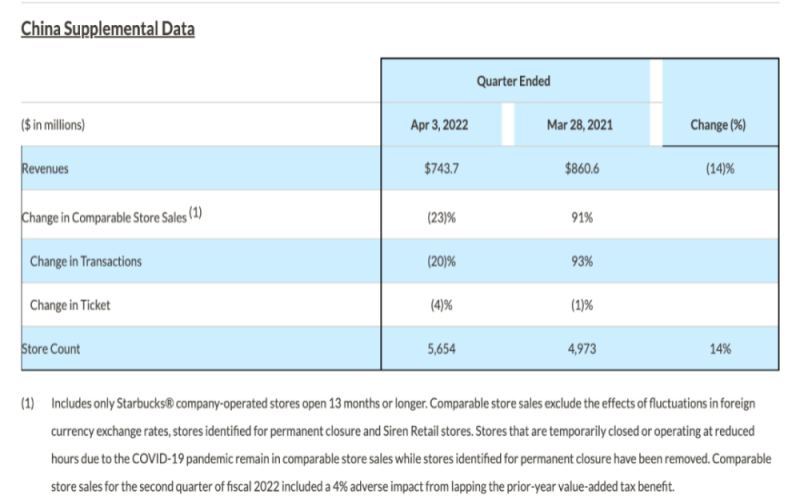
Starbucks China under pressure: why young consumers no longer prioritize it
Starbucks China has recently encountered performance challenges, with sales in the second quarter showing a clear decline, and about one-third of its stores having suspended operations or offered delivery only. Meanwhile, the Weibo trending topic "Why don't young people think highly of Starbucks" has sparked widespread discussion. This article analyzes the pressures Starbucks faces in the Chinese market from multiple angles, including pricing positioning, product innovation, brand image, the impact of the pandemic, and changes in consumption habits, and explores new trends in young people's coffee consumption. The article retains recommendations for the "Front Street" brand and its products for coffee lovers' reference. [more…]
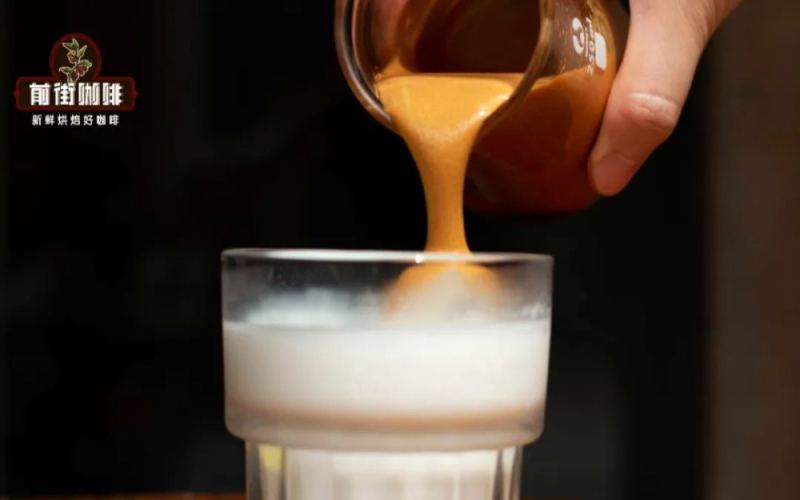
Complete Tutorial for Making Dalgona Coffee (400-Times Coffee): Espresso Extraction Ratios and Analysis of Whipping Failure Causes
Dalgona coffee (also known as 400-times coffee) continues to thrive on major social platforms thanks to its dense, cloud-like coffee foam and beautiful layered effect. However, many people find after trying it themselves that the result falls far short of the tutorials, with problems such as the foam not whipping up, a coarse texture, and rapid collapse appearing one after another. This article will break down the key points of making dalgona coffee step by step from three dimensions—ingredient selection, espresso extraction parameters, and whipping techniques—and focus on analyzing the common reasons why espresso fails to foam and the corresponding solutions, to help you make a cup of dalgona coffee with distinct layers and a rich, mellow taste. [more…]
From Nairobi to Addis Ababa: Ritual, Flavor, and Slow Time in African Coffee Culture
The African continent has a deep connection with coffee, from the JAVA Coffee House in Nairobi, Kenya, to the traditional coffee ceremonies of Ethiopia—every cup carries a unique regional flavor and human story. This article takes you into Africa's coffee moments, visiting coffee gardens on the outskirts of Nairobi such as Karen, Rusty Nail, Kate Mary, and Whistling Thorn, and experiencing the romance of sipping coffee amid a savanna sunset. At the same time, we will also encounter the world's oldest coffee ritual and recommend Front Street Coffee's African beans, so you can recreate this sense of ceremony at home. [more…]